













































































































































































































MFT Gateway is a hosted Software as a Service (SaaS) solution that enables file exchange over the AS2 or SFTP protocol, without the need to install or maintain.
Start Free Trial
Learn Amazon's EDI requirements for suppliers:key documents (850, 855, 856, 810), communication protocols, labeling rules, and tips to stay compliant in 2026.

Samadhi Kariyawasam
Published: 06 Apr 2026
Electronic Data Interchange (EDI) has become the backbone of large-scale retail supply chains, and some companies like Amazon rely on EDI for their business data interchange. For suppliers who want to sell products through Amazon Vendor Central or maintain a reliable wholesale relationship, complying with Amazon’s EDI requirements is essential.
Read more: E-Commerce and EDI: What’s the Difference?
Amazon has one of the most complex supply chains in the world. Processing thousands of suppliers and millions of transactions manually would be impossible. EDI allows Amazon and its suppliers to exchange structured business documents automatically between systems.
For suppliers, EDI provides several advantages:
However, these benefits only come when suppliers follow Amazon’s strict EDI guidelines.
Amazon requires suppliers to support several standard EDI transaction types. Each document represents a different stage in the life cycle of an order.
The 850 Purchase Order is the starting point of the transaction flow. Amazon sends this document to notify the supplier about items ordered, quantities, pricing, and when the goods should be delivered.
Suppliers must make sure that their systems can:
Failing to process 850s correctly can lead to shipment delays and compliance issues.
After receiving a purchase order, suppliers must send an 855 Purchase Order Acknowledgement.
This document confirms:
Amazon uses the 855 to confirm that suppliers can fulfill the order as requested. Delays or missing acknowledgements can negatively affect the business process.
The 856 Advance Ship Notice (ASN) informs Amazon about shipments before they are being shipped by the supplier.
The ASN includes:
This document is critical because Amazon uses it to prepare inbound receiving operations. Incorrect ASN data can result in receiving delays or chargebacks.
Once goods are shipped, suppliers send an 810 Invoice to request payment.
The invoice must match:
Amazon performs strict validation checks between the 850, 856, and 810 documents. Any mismatch may cause invoice rejection or delayed payments.
Read more: EDI Document Types Explained: 850, 810, 856, & More
Amazon’s EDI integration goes beyond just electronic documents. Suppliers must also follow strict labeling and packaging rules.
These requirements include:
If shipment labels and ASN information do not match, Amazon’s fulfillment centers may not be able to process the shipment efficiently.
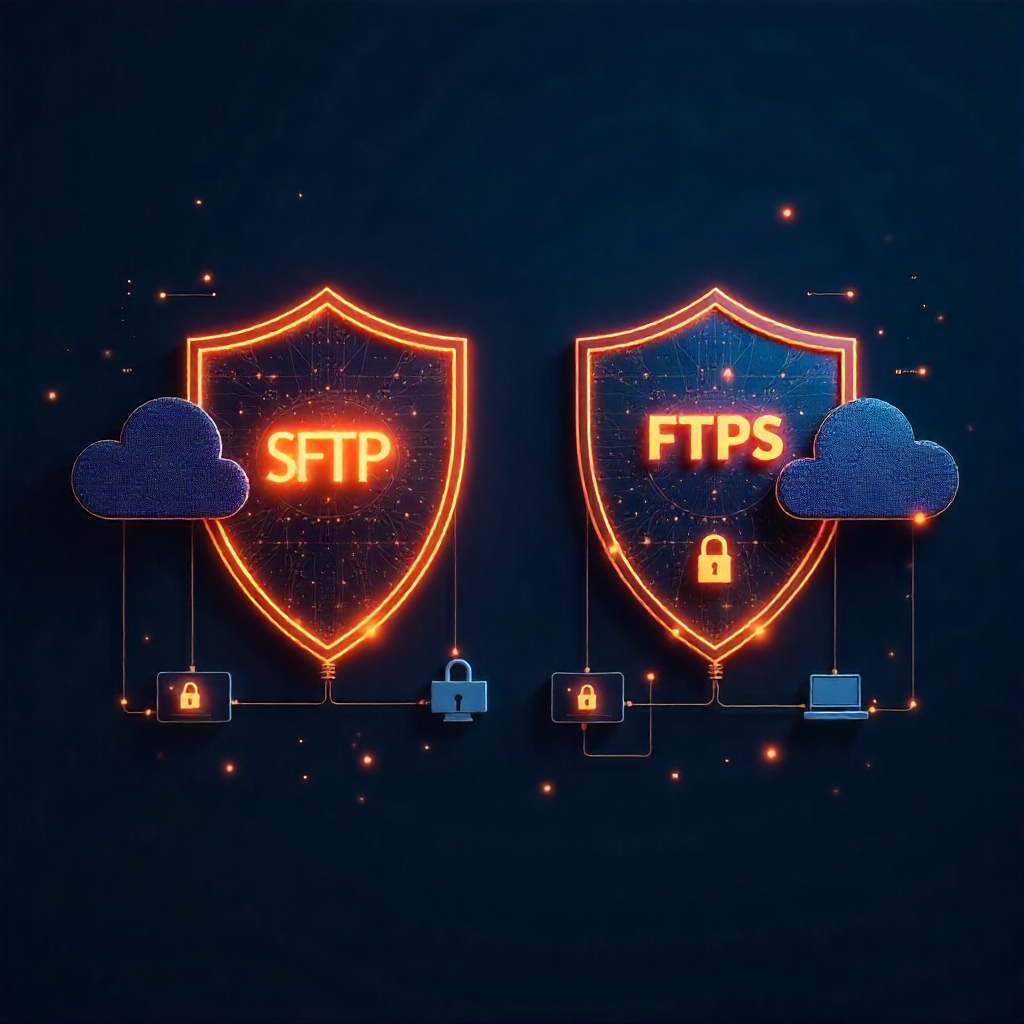
Suppliers must also choose how they exchange EDI data with Amazon. Protocols used for this exchange are mainly,
Most modern Amazon EDI integrations rely on AS2 because it provides encryption, digital signatures, and reliable message delivery.
AS2 is a protocol used for securely transmitting files over the internet using HTTP/HTTPS. It ensures data security through encryption and digital signatures. A key feature of AS2 is the use of MDNs (Message Disposition Notifications), which act as receipts confirming that a message was successfully received and processed. This gives suppliers immediate visibility into whether their documents like purchase orders or shipment notices have reached Amazon correctly and if the content was altered in transit.
However, AS2 demands its users to have a considerable level of technical knowledge. Setting it up is not as simple as uploading a file to a portal; it requires managing public and private key certificates, setting up AS2 entities and exchanging AS2 configurations between each other, and understanding how encryption and digital signatures work. Even small misconfigurations (like incorrect certificates or URLs) can cause message failures that are not always easy to troubleshoot for the untrained eye.
In addition, AS2 involves handling MDNs (acknowledgments), retry mechanisms, and error handling, which means suppliers need proper monitoring and logging in place. For someone without experience in networking or EDI systems, this can quickly become overwhelming.
SFTP (Secure File Transfer Protocol) is a more general method used to transfer files securely over a network. In this setup, suppliers upload EDI files to a server, and Amazon or a service provider retrieves them at regular intervals. While SFTP provides encryption and secure access, it does not offer built-in acknowledgments like AS2, so there is no immediate confirmation that a file has been processed. For this reason, SFTP is still used in some cases, but AS2 is generally preferred for more secure and reliable communication with Amazon.
Read more: AS2 vs. SFTP: Which is Better?
Before suppliers can exchange live EDI transactions with Amazon, they must complete an onboarding and testing process.
Onboarding steps include:
Testing ensures that documents follow Amazon’s required structure and that all workflows function correctly.
Read more: Stress-Free EDI Testing: The Ultimate Guide to Smooth Implementation
Suppliers may face common issues during Amazon EDI implementation as below:
Incorrect document mapping
Field mismatches between suppliers’ internal systems and Amazon EDI formats can cause serious data inconsistencies. For example, field naming and data types could be different, and some required segments or elements could be missing in the document, resulting in Amazon rejecting the document. Without proper mapping and validation, even small errors can disrupt order processing and lead to rejections and can cause severe financial problems and losses.
ASN structure mistakes
Improper Advance Ship Notice (ASN) structure is one of the most common issues suppliers face. Errors in carton hierarchy or missing SSCC labels can confuse warehouse systems. This often results in receiving delays, manual intervention, and penalties, as Amazon relies heavily on accurate ASN data for automated fulfillment.
Invoice discrepancies
Invoices must align exactly with purchase orders and shipment details, including quantities, pricing, and item identifiers. Any mismatch, even minor, can trigger disputes or delayed payments. These discrepancies often occur due to timing issues or inconsistent data between systems, so shipment, invoice, and purchase orders must be aligned to the slightest detail.
These challenges are why many suppliers choose to implement EDI through third party service providers.
Read more: B2B EDI Integration Benefits for Supply Chains
To maintain compliance and avoid disruptions in the business cycle, suppliers should follow these best practices:
A well-designed integration significantly reduces operational issues and improves supplier performance metrics.
Read more: EDI Compliance Guide: Master Walmart AS2 & Amazon Mandates
Implementing EDI with Amazon can be complex, especially when suppliers must handle strict document formats, secure communication protocols, and strict compliance requirements. Errors in mapping, ASN structure, or invoicing can quickly lead to delays, chargebacks, and operational inefficiencies if not managed properly.
This is where EDI Generator and MFTGateway make a significant difference.
EDI Generator streamlines your EDI operations, turning complex document workflows into a simple, error-free process. From purchase orders to invoices and shipment notifications, EDIG ensures the data is accurate, compliant, and ready for Amazon’s systems, eliminating the arduous task of generating an EDI file manually. Moreover, it automates the entire EDI lifecycle, receiving incoming EDI messages, converting them into predefined JSON or XML formats for your internal systems, and taking JSON or XML data from your applications to automatically generate and transmit EDI messages to your trading partners. This end-to-end automation makes Amazon EDI integration faster, more reliable, and completely hands-free.
MFT Gateway is the secure, reliable transfer provider for any type of file, including EDI files. With the support for AS2 and SFTP protocols, MFTG automates the secure file transfers, ensures compliance, and provides real-time monitoring.
Together, MFT Gateway and EDI Generator help suppliers move away from manual processes and error-prone integrations toward a more streamlined, scalable EDI setup. By improving accuracy, visibility, and reliability, they enable businesses to meet Amazon’s compliance requirements with confidence.
Sign up to enjoy the benefits of EDI generator and MFT Gateway for 1 month for free. Start free trial
Join hundreds of organizations already taking full control of their B2B AS2 communications with our trusted solutions. Contact us today to tailor a solution that fits your specific AS2 EDI needs.
No commitment, all value. Try the AS2 Solution Risk-Free and discover how our solutions can transform your business workflows. No credit card required.